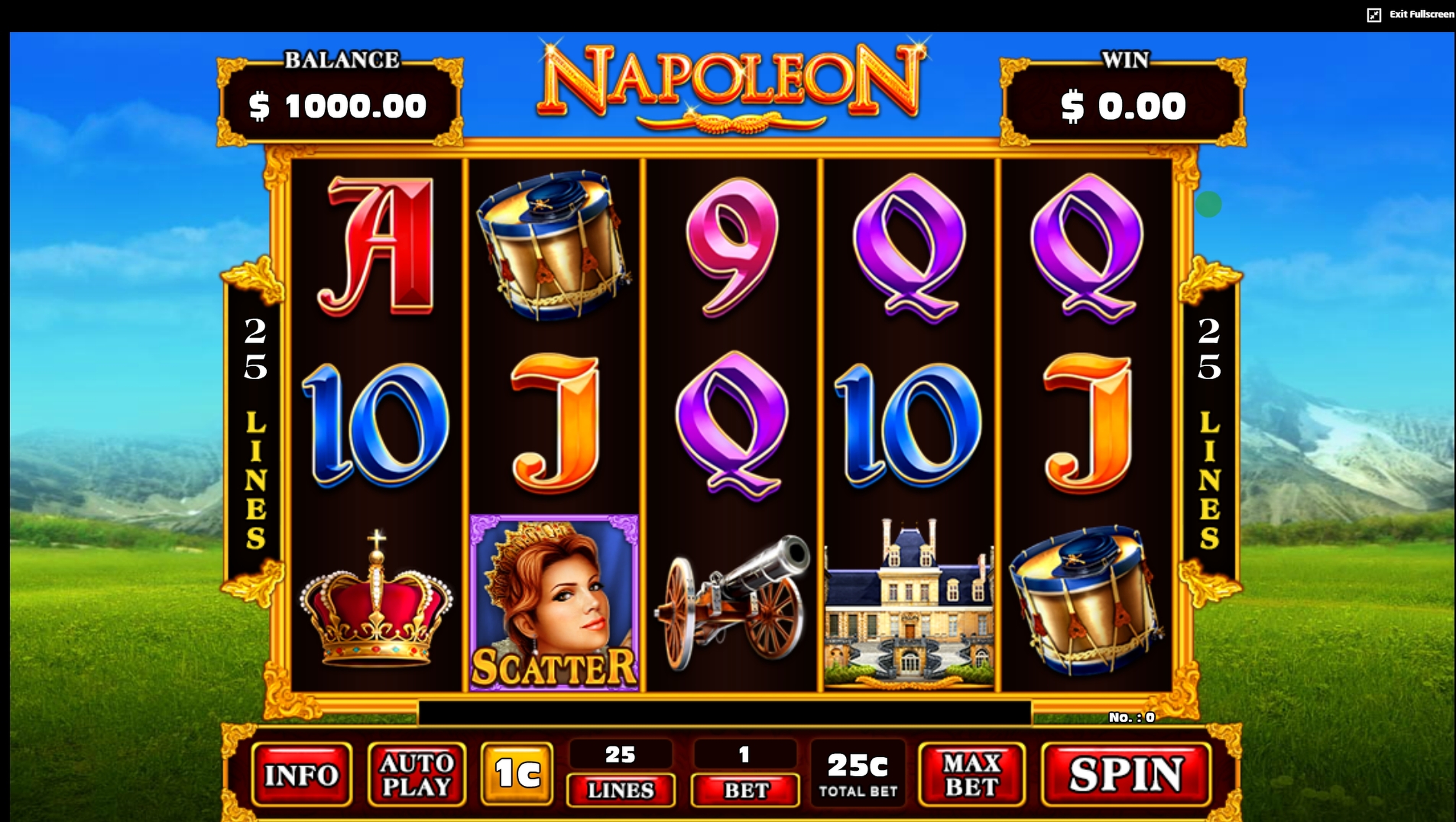
Dalam dunia perjudian online yang terus berkembang, demo slot telah menjadi salah satu cara yang populer bagi pemain untuk mencoba permainan sebelum memasang taruhan dengan uang sungguhan. Dalam artikel ini, kita akan membahas panduan lengkap dan terbaru untuk beberapa demo slot online yang sedang naik daun, seperti Mahjong Ways, X500, dan Rupiah.
Demo slot merupakan versi percobaan dari permainan slot yang memungkinkan pemain untuk merasakan sensasi bermain tanpa harus mengeluarkan uang sungguhan. Slot demo ini banyak ditawarkan oleh provider terkemuka seperti PG Soft, yang dikenal dengan berbagai inovasi permainan slot mereka. Dari demo slot ini, pemain dapat memahami mekanika permainan, fitur bonus, serta peluang menang yang ditawarkan. Slot demo juga merupakan cara yang bagus bagi pemain baru untuk belajar sebelum mulai memainkan versi dengan uang asli.
Pengenalan Demo Slot Online
Dalam dunia perjudian online, demo slot menjadi salah satu hal yang sangat populer. Demo slot memungkinkan pemain untuk mencoba game slot tanpa harus mempertaruhkan uang sungguhan. Dengan demikian, pemain dapat menguji berbagai game slot dan menemukan yang paling sesuai dengan selera mereka.
Salah satu provider game slot terkemuka adalah PG Soft, yang terkenal dengan beragam demo slot berkualitas tinggi. Para pemain dapat menikmati demo slot PG Soft yang menarik, seperti Mahjong Ways dan X500, dengan tampilan dan fitur yang mirip dengan versi aslinya. Selain itu, ada juga demo slot dengan tema rupiah yang menarik untuk dicoba.
Untuk para pemula, demo slot gratis adalah pilihan terbaik untuk memulai. Dengan akun demo slot, pemain dapat berlatih dan mengasah keterampilan mereka tanpa harus merasa khawatir kehilangan uang. Demo slot juga menawarkan pengalaman bermain yang lengkap dan bermanfaat bagi siapa saja yang ingin memahami lebih dalam tentang dunia slot online.
Berbagai Jenis Slot Demo
Untuk memberikan pengalaman bermain yang beragam, demo slot online menawarkan berbagai jenis permainan menarik. Mulai dari slot demo dengan tema mahjong ways yang menghadirkan nuansa Asia hingga slot demo X500 dengan kemungkinan menang besar, ada banyak pilihan menarik untuk dinikmati. Dari demo pg soft yang terkenal dengan kualitas grafisnya hingga slot demo dengan konsep mirip asli, setiap jenis slot demo memiliki daya tariknya sendiri. demo pg soft
Dengan adanya opsi demo slot terbaru yang dihadirkan secara reguler, pemain selalu memiliki sesuatu yang baru untuk dicoba. Sebagai tambahan, tersedia juga demo slot gratis yang memungkinkan pemain untuk berlatih tanpa harus mengeluarkan uang. Dengan akun demo slot, para pemain dapat merasakan sensasi bermain slot online tanpa perlu khawatir tentang kehilangan uang sungguhan.
Salah satu jenis slot demo yang banyak diminati adalah yang menggunakan mata uang Rupiah sebagai taruhannya. Dengan demikian, pemain Indonesia dapat lebih nyaman dan familiar dalam bermain. Slot demo pg soft yang mirip asli juga menjadi favorit, karena memberikan pengalaman bermain slot online yang mendekati aslinya secara visual dan gameplay.
Keuntungan Bermain Demo Slot
Terdapat beberapa keuntungan yang dapat Anda dapatkan saat memainkan demo slot. Pertama, Anda dapat menguji berbagai jenis permainan slot tanpa harus mengeluarkan uang sungguhan. Hal ini membantu Anda untuk memahami aturan dan fitur-fitur khusus dari setiap permainan tanpa risiko kehilangan uang.
Keuntungan kedua adalah kesempatan untuk melatih strategi permainan Anda tanpa tekanan finansial. Dengan bermain demo slot, Anda bisa mencoba berbagai pendekatan dan melihat mana yang paling efektif tanpa harus khawatir kehilangan uang Anda.
Selain itu, bermain demo slot juga memberi Anda kesempatan untuk mengeksplorasi berbagai tema dan desain permainan yang tersedia. Dengan mencoba beragam demo slot, Anda bisa menemukan jenis permainan yang paling sesuai dengan preferensi dan kesukaan Anda.